MEN’S GROOMING SERIES
Beard oil or beard balm — which one do you actually need? Learn the real difference, when to use each, and how to build the right combo for your beard length and lifestyle.
Beard Oil vs. Beard Balm: What’s the Real Difference and Which One Should You Be Using
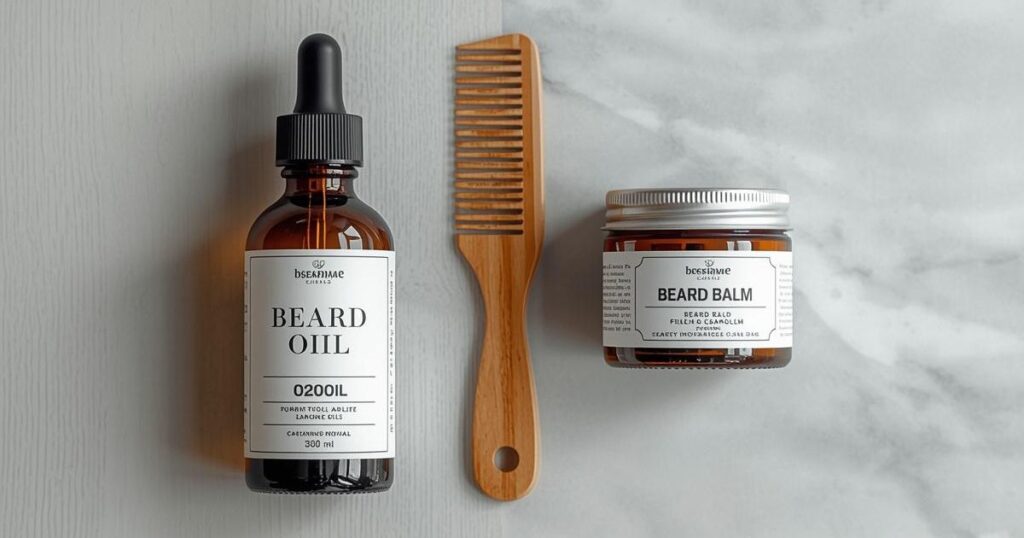
This is one of the most common questions from guys who are starting to take beard care seriously. You look at Amazon or the grooming aisle and see two similar products with similar names that seem to do basically the same thing. So you pick one at random, or buy both without really knowing when to use either.
Here’s the thing: beard oil and beard balm aren’t competing products — they’re complementary. Each one was designed for a specific job, works best at a particular beard length, and solves a different problem. Using the wrong one isn’t a disaster, but using the right one — or the right combination — makes a noticeable difference.
This guide breaks down the practical difference between the two, when each one is the better call, and how to decide whether you need one, the other, or both at the same time.
-> If you’re still building your grooming routine from scratch, the Complete Men’s Grooming Routine Guide covers all the essential products and tools in one place — a solid starting point before going deep on individual categories.
What Is Beard Oil — and What Does It Actually Do
Beard oil is a hydration and conditioning product. Its main job isn’t softening the hair itself — it’s moisturizing and nourishing the skin underneath the beard, which is where most of the early-growth problems originate: itch, flaking, brittle hairs, and irritation.
Quality beard oils are formulated with carrier oils — jojoba, argan, sweet almond, grapeseed, macadamia — that closely mimic the skin’s natural sebum. These oils absorb cleanly without a greasy residue when used in the right amount, and condition the beard hair over time, leaving it softer and healthier-looking.
How Beard Oil Works in Practice
When you apply beard oil correctly — to damp skin right after a shower, massaged down to the roots — it replenishes the sebum that a growing beard absorbs before it reaches the surface. That’s what resolves the itch in most cases.
Here’s something most guys miss: beard oil also has a cumulative effect. With daily use over two to three weeks, the skin under your beard gets progressively better at retaining moisture on its own. It’s not the oil doing that permanently — it’s the consistent conditioning that trains the skin over time.
Real talk: Beard oil does not make your beard grow faster. It doesn’t increase hair density. What it does — and does well — is keep the skin healthy and the hair conditioned throughout the growth process. If you’re expecting more than that, the expectation needs adjusting before you buy.
-> The connection between beard oil and itch relief is direct. The How to Stop Beard Itch guide explains why oil is the most effective product for that phase and exactly how to apply it for maximum effect.
What Is Beard Balm — and When Does It Come Into the Routine
Beard balm is a conditioning product with light hold. Unlike oil, which is liquid and absorbs completely, balm has a solid or semi-solid consistency — typically formulated with shea butter, beeswax, carrier oils, and sometimes essential oils for scent.
The main function of beard balm is twofold: conditioning the hair and providing shape control. The beeswax in the formula delivers a light hold that keeps hairs in place, reduces flyaways and bulk, and makes styling easier — without the stiffness of a conventional hold product like pomade or gel.
What Balm Does That Oil Can’t
Oil moisturizes the skin and conditions the hair, but it doesn’t provide shape control. For shorter beards (under an inch), that’s usually fine — the hairs are too short to need directional guidance.
For medium and longer beards, the dynamic changes. Longer hairs grow in different directions, create volume at the sides, and tangle more easily. Balm addresses all of that while conditioning at the same time — and that’s where it genuinely separates itself from oil.
Balm also tends to last longer on the beard than straight oil. The beeswax creates a light protective coating that slows moisture evaporation — which is especially useful in dry climates or cold weather.
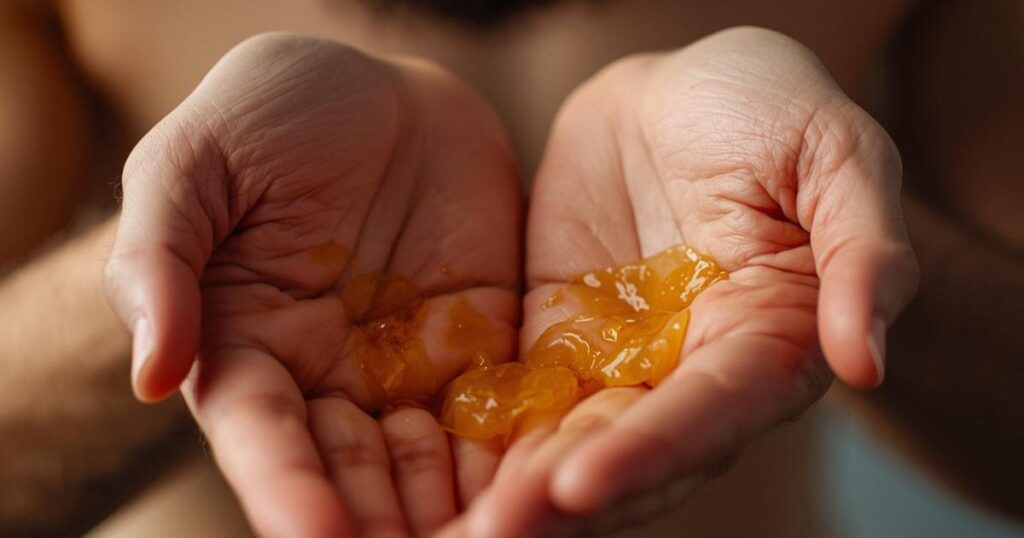
Useful micro-detail: Heat from your hands is what activates balm correctly. Rub a small amount between your palms for 10 to 15 seconds before applying — that melts the beeswax and distributes the ingredients far more evenly than pressing it cold into your beard. This single step makes more difference than most guys expect.
Beard Oil vs. Beard Balm: Head-to-Head Comparison
Here’s an objective side-by-side of both products across the dimensions that matter most in day-to-day use:
Beard Oil
Deeply hydrates the skin under the beard — addresses the root cause of itch and flaking
Absorbs completely — no greasy residue when you use the right amount
Best for short beards and the early growth phase
Resolves itch and flaking at the source
Easier to apply — a few drops is all it takes
Generally less expensive per bottle than equivalent-quality balm
X Provides zero shape control or hold
X Can leave a surface residue if you overapply
X Limited effect on volume or shape for longer beards
Beard Balm
Conditions and controls shape at the same time
Light hold that lasts all day without drying out
Better for medium and long beards that need direction
Beeswax seals in moisture — useful in dry climates or winter
Tames flyaways and reduces bulk
X Heavier consistency can feel greasy if you use too much
X Less effective for moisturizing the skin under shorter beards
X Requires warming in your hands before applying — less convenient
X Higher cost per tin than most beard oils
Bottom line: Beard oil is the right product for the skin. Beard balm is the right product for the hair. For most guys with a medium or long beard, using both — oil first, balm second — delivers the best result. For short beards, oil alone is enough.
When to Use Each: A Practical Guide by Beard Length and Situation
The decision between oil, balm, or both comes down mainly to your beard length and what problem you’re trying to solve. Here’s a practical breakdown:
Short Beard — Under 1 inch (Growth Phase or Close-Trimmed Style)
Use: Beard oil. Only. The hair is too short to need shape control, and the priority is keeping the skin hydrated and itch-free. Balm at this stage can feel too heavy and leave a visible residue on short stubble.
Amount: 2 to 3 drops. Apply to damp skin right after showering, massage with your fingertips down to the roots, and distribute through the hair with your hands or a short-bristle brush.
-> If you’re at this stage and the itch is still intense even with oil, the beard itch guide has a detailed protocol for exactly this situation — including other contributing factors most guys overlook.
Medium Beard — 1 to 2 inches
Use: Oil first, balm second. The oil handles the skin hydration and basic conditioning. The balm adds shape control and keeps the longer hairs in place throughout the day.
Amount: 3 to 4 drops of oil (apply first, to damp skin), followed by a pea-sized amount of balm (warm in palms, apply after the oil has absorbed). Brush with a medium-bristle brush to distribute and set the direction.
At this length, sequence matters: oil goes on first because it needs to reach the skin, balm goes on second because it works primarily on the outer hair layer.
Long Beard — Over 2 inches
Use: Oil and balm daily, with a once-weekly conditioning treatment or beard mask for very long beards that accumulate more environmental damage and need extra moisture.
Amount: 4 to 6 drops of oil, a generous amount of balm (almond-sized). For very long beards, oil can be applied in two passes — some to the skin and some distributed through the hair before the balm goes on.
A long beard without proper hydration and maintenance tends to become brittle, look dull, and split at the ends. Oil addresses that from the roots. Balm seals in moisture and maintains the shape throughout the day.
Dry Climates or Winter Weather
Adjust: Increase your balm amount and consider applying oil twice a day — once after your shower and once before bed. Cold air and low humidity accelerate moisture loss from both the skin and hair.
Hot Weather or Post-Workout
Adjust: Scale back the balm in hot weather — beeswax can make your beard look and feel heavier when you sweat. A lighter oil base (grapeseed or sweet almond) and a minimal balm amount work better in this situation.
How to Use Beard Oil and Balm Together — The Right Routine
For guys with a medium or long beard who want the best results, using both products in the correct order makes a real difference. Here’s the full protocol:
- Wash your beard. Use a dedicated beard wash or a gentle sulfate-free face cleanser. Two to three times a week is enough for most guys.
- Dry carefully. Pat with a towel — don’t rub. Leave the beard slightly damp, not completely dry.
- Apply oil first. Warm 3 to 5 drops between your palms, apply from the skin outward. Use your fingers to make sure the oil reaches the skin — don’t just run it across the surface of the hair.
- Wait 1 to 2 minutes. The oil needs to absorb before the balm goes on. Applying balm immediately on top blocks the oil from reaching the skin.
- Apply the balm. Work a pea-to-almond-sized amount (depending on beard length) between your palms for 10 to 15 seconds until fully melted. Apply by working through the hair in the direction of growth.
- Brush or comb through. Use a boar bristle brush or a wooden comb to distribute product evenly and set the direction of the hair. This step makes a significant visual difference that most guys underestimate.
-> What you wash with before applying oil and balm directly affects how well they absorb. The Beard Wash vs. Regular Shampoo article explains why the wrong cleanser can undermine everything else in your routine — worth reading before your next Amazon order.
🛒 Ready to put together a complete beard routine? → Shop beard oil and balm kits on Amazon
What to Look for in the Ingredients — Oil and Balm
Quality Ingredients in Beard Oil
- Jojoba oil — chemically closest to human sebum; absorbs cleanly and rarely causes reactions
- Argan oil — rich in vitamin E and fatty acids; conditions and adds natural shine without weighing hair down
- Sweet almond oil — lightweight, neutral scent, well-tolerated by most skin types
- Grapeseed oil — very light, excellent for oily skin or hot climates
- Macadamia oil — richer texture, ideal for coarse or very dry beard hair
- Essential oils (cedarwood, sandalwood, bergamot, peppermint) — responsible for the scent; safe at low concentrations; skip if you have sensitive skin
Quality Ingredients in Beard Balm
- Shea butter — the primary conditioning base; softens hair and moisturizes the skin simultaneously
- Beeswax — provides the hold and the semi-solid consistency; more beeswax means firmer hold
- Cocoa butter — extra conditioning layer and moisture protection; common in heavier winter formulas
- Fractionated coconut oil — lightweight and conditioning without the pore-clogging risk of whole coconut oil
- Carrier oils (jojoba, argan, sweet almond) — same oils found in beard oil, present in balm to condition while holding
Ingredients to Avoid in Both
- Denatured alcohol high on the ingredient list — significantly drying, especially under a beard
- Heavy synthetic fragrance — most common irritant for sensitive facial skin; look for essential oil-scented or unscented options
- Heavy silicones — create an artificial shine coating but build up with regular use and can prevent other products from absorbing properly
- Mineral oil as a primary base — inexpensive filler that sits on the skin surface rather than absorbing; common in very cheap products
Label reading shortcut: Ingredients are listed in descending order of concentration. The first two or three ingredients make up the bulk of the product. In a quality beard oil, you want to see carrier oils at the top — not water or alcohol. In a balm, shea butter and beeswax should appear early. If you see ‘fragrance’ or ‘parfum’ in the first five ingredients of anything going on your face, consider a different option.
Common Mistakes When Using Beard Oil and Balm
These come up constantly — and most of them are easy to fix once you know what to look for.
- Using too much oil. More oil doesn’t mean more moisture — it means residue, a greasy appearance, and potentially clogged pores. Start with 2 to 3 drops. If your beard looks oily after it absorbs, use less next time.
- Applying oil to a completely dry beard. Oil absorbs significantly better on slightly damp skin. Applying it after your beard has fully dried reduces effectiveness and increases the chance of surface residue.
- Applying balm without warming it in your hands first. Cold balm applied directly to a beard clumps and doesn’t distribute — you end up with uneven patches of product rather than uniform coverage. Melt it between your palms first, every time.
- Skipping oil and using only balm. Balm conditions the hair but doesn’t hydrate the skin the way oil does. Using only balm leaves the skin undernourished — itch and flaking tend to persist even when the beard looks styled.
- Treating oil like a styling product. Beard oil provides zero hold. If you’re hoping it’ll keep your hairs in place, that’s what balm is for. Using oil for hold leads to frustration and usually too much product applied trying to make it work.
- Switching products every two weeks. Beard oil and balm both need three to four weeks of consistent use to show meaningful results — especially for skin condition improvement. Changing products before that window closes means you never actually evaluate what you bought.
Who Each Product Is For — and When the Combination Makes Sense
Beard Oil Is the Right Call If:
- Your beard is under an inch — skin hydration is the priority, not hair control
- You’re in the active growth phase and itch is the main issue
- You have oily skin and want a lighter product that won’t add extra weight
- You live somewhere hot and don’t want the feel of a heavier product
- You’re new to beard grooming and want to keep the routine simple
Beard Balm Is the Right Call If:
- Your beard is an inch or longer and you need shape control
- Your hairs are coarse, unruly, or grow in multiple directions
- You live somewhere cold or dry and need extra protection against moisture loss
- You want your beard to look polished and consistent throughout the day
- You already use oil and you’re ready to add the next step
Both Together Make Sense If:
- Your beard is at least an inch and a half long and you want the best of both worlds: moisturized skin and controlled hair
- You work in a professional environment and need a consistent-looking beard all day
- You have dry skin underneath AND hairs that lose shape during the day — oil fixes one, balm fixes the other
- You’re in a dry or cold climate where moisture loss happens faster than usual
🛒 Starting fresh? Find your beard oil. → Browse top-rated beard oils on Amazon
🛒 Already have the oil and ready to add balm? → See the highest-rated beard balms on Amazon
Quick Summary — Beard Oil vs. Beard Balm
- Beard oil hydrates the skin under the beard and conditions the hair — it provides zero shape control.
- Beard balm conditions the hair and delivers light hold — ideal for shape control and moisture protection in dry weather.
- Short beard (under 1 inch): oil alone is enough.
- Medium to long beard (over 1 inch): oil first, balm second.
- The right sequence: wash, pat dry, oil on damp skin, wait 1 to 2 minutes, warm balm in palms, apply balm, brush through.
- Best oil ingredients: jojoba, argan, sweet almond, grapeseed.
- Best balm ingredients: shea butter, beeswax, carrier oils.
- Avoid: denatured alcohol high on the list, heavy synthetic fragrance, heavy silicones, mineral oil as a base.
- Real results show up after 3 to 4 weeks of consistent use — don’t switch products before that window.
Keep Reading — More From This Series
This article is part of our complete Men’s Grooming series. These are the recommended next reads based on what you just covered:
-> The main pillar — all products, tools, and habits in one guide: Men’s Grooming Routine: The Complete Guide for 2025
-> To understand each growth phase and know exactly when to introduce oil and balm: How to Grow and Maintain a Beard: Step-by-Step Guide
-> If itch is still happening even with oil in the routine, the problem may be something else: How to Stop Beard Itch — Real Causes and Fixes That Actually Work
-> What you wash with before applying oil and balm changes how well they work: Beard Wash vs. Regular Shampoo — What You Need to Know
-> The skin along the beard line needs its own care — here’s what works: Best Men’s Moisturizers with SPF — Reviewed for 2025
-> Ready to add a quality trimmer to the routine? Compare the options: Best Electric Trimmers for Men — Tested and Ranked
Final Thoughts
The confusion between beard oil and beard balm makes sense — they look similar, sit next to each other on Amazon, and are often sold together. But in practice they solve different problems at different stages of your beard journey.
If you can only start with one, start with oil. It solves the most common, most immediate problem: dry, irritated skin that comes with any growth phase. Once your beard is long enough to lose its shape or create unwanted bulk, balm is the natural next step.
The combination of both, used in the right order, is what separates a well-maintained beard from one that just grew. And it doesn’t have to be complicated — five minutes after your shower, with the right products in the right sequence, is enough to see a visible difference within a few weeks.
FAQ — Beard Oil vs. Beard Balm
1. Can I just use balm and skip beard oil entirely?
Technically yes, but it’s not ideal for most beard lengths. Balm conditions the hair, but it doesn’t hydrate the skin underneath the way oil does — the thicker consistency doesn’t penetrate to the skin as effectively. For short beards in the growth phase, skipping oil and using only balm almost always keeps the itch and flaking going. For longer, well-established beards, balm alone may be sufficient if your skin isn’t naturally dry. -> [Can You Skip Beard Oil and Just Use Balm? When Oil Is Actually Necessary]
2. Can beard oil replace beard balm?
For hydration and conditioning, yes. For shape control, no. Beard oil doesn’t contain beeswax or any hold ingredients — it absorbs completely into skin and hair without leaving anything behind to direct or hold the style. If your beard grows in multiple directions or loses its shape throughout the day, oil alone won’t solve that. -> [Can Beard Oil Replace Beard Balm? What Oil Does and Doesn’t Do]
3. What’s the difference between beard balm and hair pomade?
The main differences are formulation and hold strength. Hair pomades contain stronger hold agents — resins, synthetic waxes, polymers — and are designed for the scalp, which is tougher than facial skin. Beard balm uses natural beeswax and butters that deliver a much lighter hold and are specifically developed for sensitive facial skin. Using hair pomade on your beard regularly can cause breakouts, clogged pores, and dryness. Several popular US brands like American Crew and Baxter of California make pomades — but those are formulated for your head, not your face. -> [Can You Use Hair Pomade on Your Beard? What Happens and What to Use Instead]
4. How often should I apply beard oil and balm?
For most men, once a day right after your shower is enough for both. In very cold or dry weather — think a Chicago or Denver winter — a second light oil application before bed can help longer beards retain moisture overnight. On days you don’t wash your beard, you can still apply products to dry hair, just use slightly less than usual since dry hair absorbs differently than damp hair. -> [How Often Should You Apply Beard Oil and Balm? A Guide by Beard Length]
5. Can beard oil cause acne or clog pores?
It depends on the base oil. Jojoba and grapeseed oil have a low comedogenic rating — they rarely cause breakouts. Coconut oil has a high comedogenic rating and can clog pores for people with acne-prone skin, particularly along the cheeks. If you have oily or breakout-prone skin, look for oils with jojoba, grapeseed, or sweet almond as the primary base. Using the right amount also matters — excess of any oil increases the risk. -> [Does Beard Oil Cause Acne? How to Choose the Right Formula for Oily or Acne-Prone Skin]
6. Is there a real difference between expensive and budget beard balm on Amazon?
Yes, but it’s not always proportional to price. What actually matters is the ratio of shea butter, beeswax, and quality carrier oils. Well-formulated balms in the $12 to $20 range on Amazon frequently perform as well as $40-plus options. What typically justifies the higher price is premium scent (rare essential oils) or packaging design — not necessarily better skin or hair results. -> [Is Expensive Beard Balm Worth It? What Actually Changes Between Budget and Premium]
7. Do I need both oil and balm if my beard is short?
No. For beards under an inch, beard oil alone covers everything you need: skin hydration, itch reduction, and basic hair conditioning. Balm adds minimal value at that length because the hairs are too short to lose shape or create volume problems. When your beard passes an inch and you start noticing hairs going in different directions or bulk at the sides, that’s your signal to add balm to the routine. -> [ When Should You Start Using Beard Balm? The Right Length for Each Product]
Affiliate Disclosure: This article contains Amazon Associates affiliate links. Purchases made through these links may earn us a small commission at no additional cost to you. All product recommendations reflect independent research and practical evaluation — no brand has paid for placement in this article.