Beard Wash vs. Regular Shampoo: What’s the Real Difference and Which One Should You Use
Beard wash or regular shampoo — does it actually matter? Learn the real difference, what shampoo does to your face skin, and which products are worth buying on Amazon.
If you’ve been washing your beard with hair shampoo or body wash, you’re in good company. Most guys do exactly that — especially early on, when the beard is still short and it seems like any soap should do the job.
The problem is it doesn’t. And the effects show up in ways most people blame on other things: persistent itch, flaky skin under the beard, dull-looking hair, or breakouts along the neckline.
This article explains why these products are actually different, what happens to your skin and beard hair when you use the wrong one, and how to find a solid beard wash without overspending.
-> If you’re early in the beard-growing process and want to understand the full picture, the How to Grow and Maintain a Beard guide covers each phase in detail — including what cleansing should look like at every stage.
Why Beard Wash and Regular Shampoo Are Actually Different Products
The difference isn’t just branding or packaging. Hair shampoo and body wash are formulated for skin types that are fundamentally different from the skin on your face.
Understanding why requires a quick look at how each product is actually built.
Your Scalp vs. Your Face
The scalp is one of the oiliest areas on the human body. It produces significantly more sebum — your skin’s natural oil — than facial skin does. That’s why shampoos need to be strong cleansers: they contain surfactants like sodium lauryl sulfate (SLS) and sodium laureth sulfate (SLES) that strip oil efficiently.
Your facial skin, on the other hand, is thinner, more sensitive, and produces much less oil. When you apply a conventional shampoo to your beard, it doesn’t just remove dirt and excess grease — it strips away the sebum that your face needs to stay healthy and hydrated.
Real talk: The most common result of regularly shampooing your beard is dry, itchy skin underneath, visible flaking, and beard hair that looks dull and feels wiry. Most guys chalk this up to having dry skin or needing more conditioner — when the actual problem is what they’re cleaning with.
What About Body Wash?
Body wash has similar problems, for related reasons. It’s formulated for thicker, less sensitive skin — and most body washes contain detergents and synthetic fragrances that work fine on your back and arms but irritate facial skin with regular use.
There’s also a pH issue. Most body washes are more alkaline than what facial skin can handle comfortably. Healthy facial skin maintains a slightly acidic pH between 4.5 and 5.5. Regular use of products outside that range gradually compromises your skin barrier — leading to more dryness, more breakouts, and more reactivity over time.
-> Skin irritation under the beard is directly connected to beard itch. The How to Stop Beard Itch guide explains how the two problems feed each other — and how fixing your cleanser is often step one.
What a Proper Beard Wash Actually Does Differently
A beard-specific wash differs from shampoo in three main ways: the strength of its cleansing agents, the pH, and the supporting ingredients it includes.
Gentler Surfactants
Instead of SLS or SLES, quality beard washes use surfactants like coco glucoside, decyl glucoside, or cocamidopropyl betaine. These ingredients clean effectively without stripping — they remove dirt and excess oil without compromising the skin’s natural moisture barrier.
Here’s something most people don’t realize: many standard facial cleansers already use these milder surfactants. If you can’t get a dedicated beard wash right away, a gentle sulfate-free face wash is a solid bridge — not ideal, but far better than shampoo or body wash.
The Right pH for Facial Skin
Healthy facial skin thrives around a pH of 4.5 to 5.5 — slightly acidic. Products formulated within or near that range work with your skin barrier. Conventional shampoos typically run between pH 6 and 8. The gap sounds small, but consistent use of the wrong pH gradually undermines your skin’s ability to retain moisture and fight off bacteria.
Supporting Ingredients That Help Your Beard
Many dedicated beard washes include extras like green tea extract, panthenol (pro-vitamin B5), light natural oils (grapeseed, jojoba), or mild fatty acids. These don’t replace your beard oil — they serve a different function — but they leave the skin in better condition to absorb the oil you apply afterward.
Think of it this way: your shampoo cleans the canvas. A beard wash cleans it and primes it at the same time.
Head-to-Head: Beard Wash vs. Hair Shampoo vs. Body Wash
Here’s a direct, objective look at all three options most guys use to wash their beard:
Dedicated Beard Wash
CHECK Formulated for facial skin — correct pH and gentle surfactants
CHECK Won’t dry out the skin underneath the beard
CHECK Lightly conditions hair while cleaning
CHECK Reduces the likelihood of persistent itch and flaking
CHECK Available in both bar and liquid formats to suit different preferences
X Costs slightly more than shampoo or body wash
X Requires a separate purchase — it won’t already be in your shower
Hair Shampoo
CHECK Available at any drugstore, grocery store, or online
CHECK Very low cost per use
X Strong surfactants designed to strip scalp oil — too aggressive for facial skin
X pH typically too high for the face
X Dries out skin under the beard with regular use
X Contributes to itch, flaking, and dull beard hair
X Often contains synthetic fragrances and preservatives that irritate sensitive facial skin
Body Wash
CHECK Convenient — already in your shower
CHECK Works acceptably for occasional use
X Formulated for body skin, not facial skin
X Alkaline pH compromises the skin barrier over time
X Detergents and fragrances frequently irritate facial skin
X Doesn’t condition beard hair — tends to leave it feeling rougher
X Not a sustainable option for anyone with a medium or long beard
Bottom line: For short stubble or a close-trimmed goatee, a gentle sulfate-free face wash does the job. For a beard that’s three-quarters of an inch or longer, a dedicated beard wash is worth the investment. The difference in skin comfort and beard appearance shows up within two weeks of consistent use — not months.
How Often Should You Actually Wash Your Beard
This is one of the most frequently searched questions — and the right answer varies depending on beard length and lifestyle.
Short Beard or Early Growth Stage (under 1 inch)
Two to three times a week is enough for most guys. At this stage, the goal is to keep the skin underneath clear of sebum buildup and dead skin cells. Washing too frequently during growth actually makes itch worse by stripping the oils your skin is trying to maintain.
On off days, a good rinse with warm water in the shower — no product — removes surface dirt without disrupting your skin’s natural balance.
Medium Beard (1 to 2 inches)
Three times a week hits the sweet spot for most men at this length. The beard now picks up more product residue, environmental grime, and food particles throughout the day — especially if you’re using beard oil or balm regularly. A dedicated beard wash at this frequency keeps things clean without over-drying.
If you worked out or spent time in the heat, an extra wash makes sense. You don’t need to use product every time — a thorough warm water rinse handles light buildup just fine.
Long Beard (over 2 inches)
Two to three times a week with beard wash, plus a once-weekly conditioning treatment or beard mask, is the ideal setup for longer beards. Extra length means more product and debris accumulation, but the skin underneath is also more insulated and needs less direct attention than shorter beard skin.
Most common mistake: Washing every single day with any product. Over-washing is just as damaging as under-washing — and it’s often why a beard still looks dry and lifeless even after months of growth. If your beard consistently feels rough or tight after washing, frequency is almost always the issue.
How to Wash Your Beard the Right Way
Using the right product incorrectly still delivers disappointing results. These are the steps most people skip over:
Use warm water, not hot. Hot water strips more oil than necessary and leaves your skin tight and reactive. Warm water cleans effectively without the collateral damage.
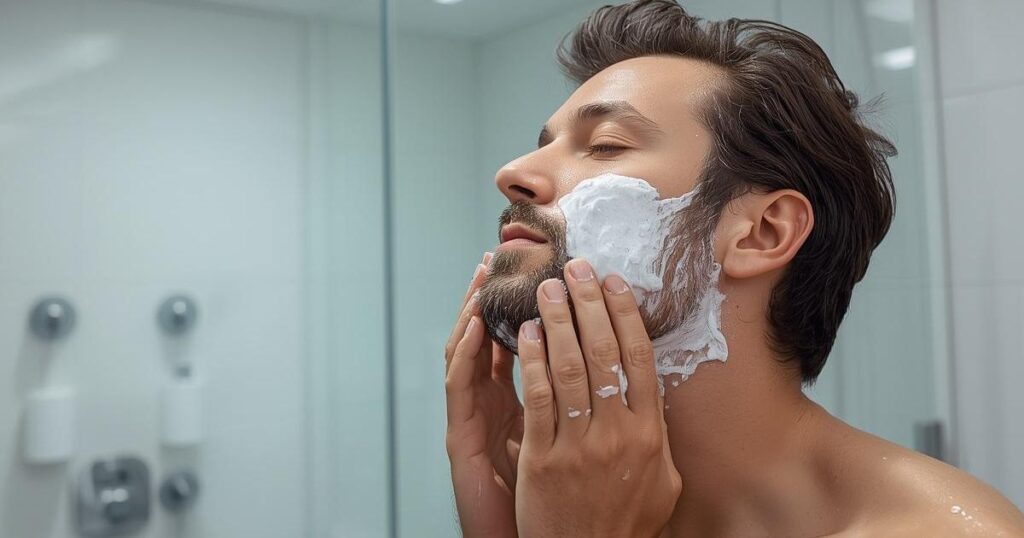
Work the product down to the skin, not just through the hair. The real goal is cleaning the skin underneath — where sebum, dead skin cells, and product residue accumulate. Massage gently with your fingertips in small circular motions, reaching all the way to the skin.
Let it sit for 30 to 60 seconds. Beard washes work better when they have a little time to break down sebum and product buildup before rinsing. You don’t need a long soak — but applying and immediately rinsing off reduces effectiveness.
Rinse completely. Soap residue left on the skin is one of the most common causes of irritation and breakouts. Use warm water to rinse, then finish with slightly cooler water to help close pores.
Pat dry, don’t rub. Rubbing with a towel damages hair follicles and creates unnecessary friction. Pat gently, or let your beard air dry for a minute before applying oil.
Apply beard oil while the skin is still slightly damp. Oil absorbs significantly better when there’s a little residual moisture. Waiting until your beard is completely dry reduces how much actually reaches the skin.
-> If beard oil isn’t part of your routine yet, the Beard Oil vs. Beard Balm guide helps you pick the right product for your beard length and hair type.
Ingredients to Look For — and the Ones Worth Avoiding
Ingredients That Signal a Good Product
Coco glucoside or decyl glucoside — gentle plant-derived surfactants that clean without stripping
Cocamidopropyl betaine — an amphoteric surfactant that both cleans and lightly conditions
Panthenol (pro-vitamin B5) — hydrates and improves hair elasticity and softness
Green tea or white tea extract — mild antioxidant and anti-inflammatory properties for the skin
Citric acid or gluconolactone — help balance the product’s pH to facial skin-friendly levels
Ingredients to Watch or Avoid
Sodium lauryl sulfate (SLS) and sodium laureth sulfate (SLES) — aggressive surfactants common in drugstore shampoos, problematic for facial skin with regular use
Denatured alcohol (SD Alcohol, Alcohol Denat.) high on the ingredient list — significantly drying, especially under a beard
Heavy synthetic fragrance in high concentrations — the most common irritant for sensitive facial skin, especially during the beard growth phase
Parabens — many people tolerate them fine, but they can cause reactions in more sensitive skin types
High-concentration menthol or eucalyptus — the cooling sensation feels refreshing but can aggravate already-irritated or dry skin
Quick label tip: Ingredients are listed in descending order of concentration. If SLS appears in the first five ingredients, the product has a high concentration of that aggressive surfactant. If it appears near the end, the concentration is low and may be acceptable for some people. When in doubt, check the first five — that tells you most of what you need to know.
Good Alternatives When You Don’t Have a Beard Wash
Not always practical to have a dedicated beard wash immediately available. Here are the best fallback options, ranked from most to least suitable:
Gentle sulfate-free face wash (best alternative). Products like CeraVe Hydrating Cleanser, Cetaphil Gentle Skin Cleanser, or similar SLS-free formulas work well on a beard. They don’t condition the hair the way a dedicated beard wash does, but they respect your facial skin’s moisture barrier.
Glycerin-based soap bar. Cleans gently, hydrates, and is widely available at drugstores and on Amazon at low cost. Doesn’t have the supporting ingredients of a beard-specific wash, but it’s significantly better than shampoo or body wash.
Sulfate-free hair shampoo (third option, not ideal). Shampoos formulated for dry or color-treated hair use milder surfactants and have a pH closer to neutral. Still not ideal for facial skin, but far less damaging than conventional shampoos.
Water-only rinse (for between-wash days). On days you skip product entirely, a thorough warm water rinse during your shower removes surface-level dirt and light buildup without disturbing natural oils. More useful than most guys expect.
One to actively avoid: anti-dandruff shampoo. Products like Head & Shoulders or Selsun Blue contain active ingredients — zinc pyrithione, selenium sulfide, or ketoconazole — that are clinically effective for scalp conditions but too harsh for regular use on facial skin. If you’re dealing with visible flaking under your beard, it may be seborrheic dermatitis, which needs a dermatologist’s evaluation rather than an over-the-counter workaround.
Is a Dedicated Beard Wash Actually Worth Buying? Honest Answer
It’s Worth It When:
Your beard is at least three-quarters of an inch long
You’re already using beard oil or balm — the wash prepares your skin to absorb those products better
You have sensitive or acne-prone skin — the gentler formulation reduces irritation risk
Itch or flaking persist even with beard oil in your routine
You want to maximize beard appearance and skin health over the long term
When the Difference Is Smaller:
Very short stubble (under half an inch) that you keep closely trimmed — a good gentle face wash is sufficient at this length
Skin that genuinely doesn’t react to conventional shampoo — some people tolerate it fine, and if you’re one of them, the urgency is lower
Very tight budget — a sulfate-free face wash is a functional substitute that costs roughly the same
The honest version: if you’re already spending money on beard oil, a quality trimmer, and other grooming products, using the wrong cleanser undermines the results of everything else. The wash is the foundation. Getting that part right is one of the highest-ROI changes most guys can make to their routine — and a good beard wash on Amazon typically runs between $10 and $20, which lasts two to three months with proper use.
Quick Summary — Beard Wash vs. Regular Shampoo
Hair shampoo contains strong surfactants and has the wrong pH for facial skin — it dries out your face with regular use.
Body wash was made for thicker body skin and gradually compromises your facial skin barrier.
Beard-specific wash uses gentle surfactants, the right pH, and supporting ingredients that condition skin and hair at the same time.
For short beards, a gentle sulfate-free face wash is a solid alternative.
Wash your beard two to three times per week — not every day. Over-washing causes as many problems as under-washing.
Work the product down to the skin, not just through the hair.
Apply beard oil while skin is still slightly damp immediately after washing.
Avoid SLS, SLES, high-concentration denatured alcohol, and heavy synthetic fragrance.
Keep Reading — More From This Series
This article is part of our complete Men’s Grooming series. These are the next logical reads:
Most guys who complain about dry skin, persistent itch, or a beard that just doesn’t look right after months of growth are washing with the wrong product — and have no idea that’s the problem.
Hair shampoo and body wash aren’t the villains here. They do exactly what they were designed to do. The issue is using a product made for completely different skin on your face, and expecting it to perform the same way.
Switching to a dedicated beard wash — or at minimum a gentle sulfate-free face cleanser — is one of the lowest-cost, highest-impact changes in any grooming routine. Most guys notice the difference within a week. At $10 to $18 a bottle on Amazon, it’s also one of the easier upgrades to justify.
FAQ — Beard Wash vs. Regular Shampoo
1. Can I use hair shampoo on my beard occasionally without causing damage?
Occasional use — say, once every couple of weeks when you’ve run out of everything else — won’t cause noticeable damage for most people. The problem is consistent, frequent use. If you’re using hair shampoo on your beard daily or several times a week, the cumulative effect on your skin barrier becomes obvious over time: increased dryness, more itch, and beard hair that looks progressively duller. -> [How Often Can You Use Regular Shampoo on a Beard Without Causing Problems?]
2. Is a glycerin soap bar a good option for washing a beard?
Yes — it’s one of the best budget-friendly alternatives when you don’t have a dedicated beard wash. Glycerin is a humectant that draws moisture toward the skin, and most glycerin soaps have a more face-friendly pH than conventional shampoos. They don’t have the supporting ingredients of a purpose-built beard wash, but they clean without the damage. Widely available at drugstores and on Amazon for under $5. -> [Glycerin Soap for Beards — Does It Work? When to Use It]
3. Can I use hair conditioner on my beard to soften it?
Technically it works — conditioner contains ingredients like cetrimonium chloride and fatty alcohols that smooth the hair cuticle. The problem is that those same ingredients can be comedogenic (pore-clogging) on facial skin. A beard balm or dedicated beard conditioning mask delivers the same softening effect without the clogged-pore risk. If you’re currently using regular conditioner on your beard and noticing breakouts along the cheek or neckline, that may be why. -> [Can You Use Hair Conditioner on Your Beard? What’s Actually the Difference?]
4. Bar beard wash or liquid — which is better?
Both work well when properly formulated. Liquid is generally easier to control the amount used and rinses more cleanly. Bar soap tends to last longer, creates less plastic waste, and is often more concentrated. The format matters less than the ingredient list — a bar with SLS is still a bad choice, and a liquid with gentle surfactants is still a good one. On Amazon, both formats have strong options in the $10 to $15 range. -> [Beard Wash Bar vs. Liquid — Honest Comparison]
5. How often should I wash my beard with a dedicated wash?
Two to three times a week for most men. Short beard in growth phase: two times. Medium beard with regular product use: three times. Long beard: two to three times plus a weekly conditioner or mask. On non-wash days, a warm water rinse handles surface dirt without stripping oils. If your beard consistently feels dry or tight after washing, the most likely culprit is frequency, not product choice. -> [How Often Should You Wash Your Beard? The Definitive Answer by Length]
6. What actually happens if I never use a proper beard wash?
The most common outcome is progressive buildup of sebum, dead skin cells, and product residue — which shows up as chronic itch, visible beardruff, dull hair, and in some cases folliculitis (inflamed hair follicles). Longer beards also tend to retain odors more noticeably without proper cleansing. None of this is inevitable, but it’s predictable without the right routine in place. -> [What Happens If You Never Use Beard Wash? Real Effects Over Time]
7. Can I use anti-dandruff shampoo on my beard if I have flaking underneath?
Only under a dermatologist’s guidance. Anti-dandruff shampoos like Head & Shoulders or Nizoral contain active ingredients — zinc pyrithione, selenium sulfide, ketoconazole — that are clinically effective for scalp conditions but aren’t intended for regular use on facial skin. If you have persistent, significant flaking under your beard, it may be seborrheic dermatitis rather than regular dry skin. A dermatologist can confirm this and recommend the right treatment, which may or may not involve ketoconazole on the affected area. -> [Beard Dandruff vs. Dry Skin — How to Tell the Difference and What to Do]
Affiliate Disclosure: This article contains Amazon Associates affiliate links. Purchases made through these links may earn us a small commission at no additional cost to you. All product recommendations reflect independent research and practical evaluation — no brand has paid for placement in this article.
We use cookies to ensure that we give you the best experience on our website. If you continue to use this site we will assume that you are happy with it.