How to Grow and Maintain a Beard: A Step-by-Step Guide for Beginners and Beyond
Learn how to grow and maintain a beard from scratch with this step-by-step guide. Real tips on beard care, the right products, and how to push through the itch phase without giving up.
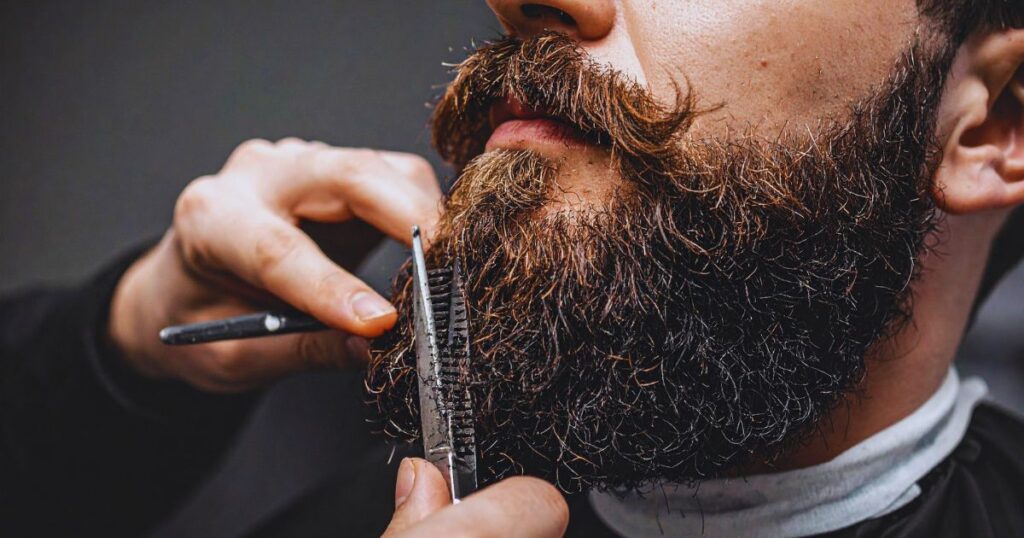
ALT: “How to grow a beard from scratch — step-by-step guide with beard care tips, products, and grooming tools for men 2025”
If you’ve tried growing a beard before and gave up around week two because of the itch, the patchiness, or the feeling that it looked worse than when you shaved — you’re not alone. That happens to most guys.
And most of the time, the problem isn’t your genetics. It’s not having a clear picture of what to expect at each stage, or knowing what to do (and what to avoid) while your beard is developing.
This guide covers beard growth from day one: the real phases of development, how to care for your skin and hair at each stage, which products actually make a difference, and how to get to a well-groomed beard without needing a professional barber every other week.
📖 This article is part of our complete men’s grooming series. If you haven’t read the main guide yet, check out the Complete Men’s Grooming Routine here. It covers skincare, hair care, and all the essential tools in one place.
Why Your Beard Looks Bad at First — and Why That’s Normal
Most men who quit beard growth do it somewhere between weeks two and four. That window is the hardest stretch visually: the hairs are uneven lengths, your skin dries out, the itch picks up, and the whole thing looks scrappy.
What most guys don’t know is that this stage is completely normal and temporary. Hair follicles don’t all grow at the same rate — each one has its own cycle, which is exactly why a beard looks patchy early on.
Here’s something most people skip over: the patchy look in certain areas (especially the cheeks) tends to fill in between weeks six and twelve as shorter hairs catch up to the longer ones. Giving up before then means you never actually see what your beard is capable of.
Real talk: If you’re at week three and thinking about shaving it off, give it two more weeks before you decide. Most beards that look hopeless at that stage look completely different by week six.
🔗 The itch is the number one reason guys quit. We have a full article dedicated to it: How to Stop Beard Itch — Real Causes and Fixes That Actually Work Worth reading before you reach for the razor.
Beard Growth Phases: What to Expect Week by Week
Understanding what’s happening at each stage removes most of the frustration. Beard growth goes through four main phases:
Weeks 1 and 2 — The Start
Hairs emerge at different textures and angles. Your skin might feel sensitive or prickly because the hairs were cut at a blunt angle from your last shave and they’re poking back into the skin as they grow out.
What to do: don’t shave. Resist scratching. If your skin feels dry, start applying a lightweight beard oil even on short stubble — it makes a real difference in reducing early discomfort.
Weeks 3 and 4 — The Hard Part
This is where the worst itching happens. Hairs are long enough to curl and touch the skin but too short to lie flat. The look is uneven and your skin dries out more. This is the week most guys give up.
What to do: apply beard oil daily, wash with a dedicated beard wash (not regular shampoo), and resist the urge to trim everything down. A natural bristle beard brush helps train the hairs and reduces tangles.
🛒 Going through this phase right now? → See the highest-rated beard oils on Amazon
Weeks 5 to 8 — Things Settle Down
The itch fades significantly for most men. Hairs start aligning and the outline of your beard becomes more defined. This is the right time for a first light trim — just to clean up the strays, not to reduce the overall length.
What to do: introduce a beard balm if you want more shape control. A single barber visit around this point can help set a clean neckline without sacrificing growth.
Weeks 9 to 12 — The Real Beard
At three months, you have enough material to actually evaluate what you’re working with. Areas that looked patchy have often filled in. Your preferred style starts to become clear.
This is the point where it makes sense to think about which shape suits your face, and where consistent maintenance matters more than open-ended growth.
Practical tip: Take a photo of your beard once a week, always in the same lighting. The week-to-week change is nearly invisible day-to-day — but comparing week 2 to week 8 usually surprises people.

Essential Beard Care During the Growth Phase
A well-maintained beard during growth develops better than one that’s ignored. These are the care habits that actually move the needle:
Cleansing — The Most Overlooked Step
The skin under your beard collects sebum, dead skin cells, product residue, and environmental grime. Without proper cleansing, that buildup causes itching, cystic acne, and can even slow down healthy growth.
Use a dedicated beard wash or a gentle face wash — not your hair shampoo or body soap. Wash your beard at least twice a week, and daily if you’ve been sweating or using a hold product.
🔗 A lot of guys use regular hair shampoo on their beard without realizing the problems it causes. Read: Beard Wash vs. Regular Shampoo — What You Need to Know The article breaks down the formulation differences and when to use each.
Moisturizing — Beard Oil, Balm, or Both?
Beard oil is the single most important product during the growth phase. It hydrates the skin underneath — which is where the itch originates — and softens the hairs, making them easier to align naturally.
Beard balm comes into play once your beard is long enough to need shape and control. It typically contains shea butter and beeswax, which provide light hold while conditioning at the same time.
🔗 Not sure which product you need right now? We break it all down in: Beard Oil vs. Beard Balm — Which One Do You Actually Need? The article matches the right product to your beard length and hair type.
Taking Care of the Skin Underneath
This is what separates a well-maintained beard from one that just grew. The skin under your beard needs the same basic care as any other area of your face: moisture and cleansing.
Men with dry skin tend to see more flaking and itching during the growth phase. A lightweight facial moisturizer applied to the edges of your beard and along the neck keeps the skin in good shape without interfering with the hairs.
🔗 Haven’t locked in a daily facial moisturizer yet? Here’s a solid starting point: Best Men’s Moisturizers with SPF — Reviewed for 2025 The list includes options that work well on both bearded and non-bearded skin.
[ IMAGE 2 — Mid-Content: 800x500px — LANDSCAPE FORMAT ]
ALT: “Man applying beard oil during the growth phase — step-by-step men’s grooming routine with beard care products”
The Right Tools for Maintaining Your Beard While It Grows
You don’t need much equipment during the growth phase, but the right tools make a noticeable difference in both the result and the day-to-day experience.
Adjustable Beard Trimmer
A trimmer is the most important tool once you enter the maintenance phase. Models with adjustable guide combs let you trim consistently without the risk of cutting more than intended.
- Philips Norelco Multigroom 7000 — solid battery life, easy to clean, great for home maintenance across multiple beard lengths.
- Wahl Stainless Steel Lithium Ion+ — excellent value, durable blades, wide range of attachments for both beard and head.
- BaBylissPRO Barberology MetalFX — barber-grade quality for home use, but requires a steadier hand and more attention to detail.
🔗 Want a side-by-side comparison of the best trimmers on the market? Best Electric Trimmers for Men — Tested and Ranked The article covers performance, battery life, and value at every price point.
Beard Brush and Comb
A natural bristle brush (boar or premium synthetic) trains the growth direction, distributes beard oil evenly, and reduces tangling. Use it daily after applying your oil.
A wooden or cellulose acetate comb is better than plastic for detangling without static. Use it on beards over an inch long to avoid unnecessary pulling.
🛒 A good brush makes a real difference at this stage. → Browse top-rated beard brushes and combs on Amazon
Beard Scissors
For a growing beard, small grooming scissors let you remove individual stray hairs without firing up the trimmer. It’s an inexpensive tool that keeps things looking intentional between your main trim sessions.
Common Beard Growing Mistakes — and How to Avoid Them
These show up constantly, and most of them are easy to avoid once you know what to look for.
- Shaping the neckline too early. A lot of guys try to clean up the outline before they have enough hair to work with. Wait at least four to six weeks before any neckline work.
- Trimming a wet beard. Beard hair expands when wet and contracts as it dries. Trimming wet almost always means cutting off more than you intended once everything dries out.
- Ignoring the neckline altogether. A sloppy neckline makes any beard look unkempt regardless of length. The right line sits roughly two finger-widths above your Adam’s apple.
- Trimming the cheek line too high too soon. Many guys shave the cheeks to define the beard before having enough volume — the result is a thin, narrow beard that looks smaller than it could be.
- Using hair products on your beard. Gel, pomade, and hair wax are formulated differently than what your facial skin can tolerate. They cause dryness, breakouts, and difficult buildup.
- Quitting between weeks 3 and 5. As covered earlier, this is the hardest-looking stretch — but it’s not the most representative one. Most beards that look rough at week three look completely different by week eight.
Most costly mistake: Trimming the cheek line too high. Once you shave it, you need weeks to grow it back. When in doubt, leave more hair than you think you need — you can always take more off, but you can’t put it back.
Full Beard Care Routine During the Growth Phase
Daily
- Wash your face (including the beard) with a gentle cleanser
- Apply 3 to 5 drops of beard oil on damp skin after showering — warm between your palms and work down to the skin
- Brush with a natural bristle brush to train hairs and distribute product
- Apply beard balm if your beard is long enough to need shape (generally 1 inch or more)
Weekly
- Wash your beard with a dedicated beard wash
- Lightly exfoliate the skin under the beard to remove dead skin buildup
- Trim stray hairs with grooming scissors
- Check your neckline and adjust if needed (starting around week 6)
Monthly (Starting Around Week 8)
- Full trim to maintain your target shape
- Barber visit for outline and finishing work if you prefer a more precise result
- Honest assessment of whether the current style is working — this is the right time to decide on length, shape, and format
🛒 Ready to put together your full beard kit? → See the highest-rated men’s beard kits on Amazon
Who This Guide Is For — and When to See a Professional
This Guide Works Well For:
- Men growing a beard for the first time and not sure what to expect
- Guys who’ve tried before but quit during the difficult middle phase
- Men with short or medium beards who want better-looking, healthier results
- Anyone trying to reduce barber visits without losing quality
When to See a Professional:
- If you have significant patches after three full months of growth, there may be a hormonal or dermatological factor worth addressing. A dermatologist can evaluate and recommend targeted treatments.
- Alopecia areata (patchy hair loss in circles) is a medical condition that doesn’t respond to grooming products — it requires diagnosis and professional care.
- For high-precision outlines like a hard fade or a sculpted cheek line, an experienced barber will deliver cleaner results than most people can replicate at home, especially early on.
Quick Summary — What Actually Matters When Growing a Beard
- Weeks 3 to 5 are the hardest visually, but they’re not representative of the final result.
- Beard oil is the most important product during growth — it hydrates the skin, not just the hair.
- Use a beard-specific wash. Regular shampoo and body soap both cause problems on facial skin.
- Don’t define your neckline or cheek line before week 5 or 6.
- Never trim a wet beard.
- A natural bristle brush trains growth direction and distributes product far more evenly than your hands.
- Patience between weeks 3 and 12 is the single biggest factor in the final result.
- Persistent patchy growth after 3 months may have a medical cause — worth a dermatologist visit.
Keep Reading — Related Articles in This Series
This article is part of our full Men’s Grooming series. Here are the recommended next reads:
📖 The main pillar article — everything on skincare, hair care, and essential tools: Men’s Grooming Routine: The Complete Guide for 2026
🔗 Past the growth phase and trying to decide between products? Beard Oil vs. Beard Balm — Which One Do You Actually Need?
🔗 Still dealing with itch? Read the dedicated article: How to Stop Beard Itch — Real Causes and Fixes That Actually Work
🔗 Shopping for a trimmer? See the full comparison: Best Electric Trimmers for Men in 2025 — Tested and Ranked
🔗 Skin care under the beard matters more than most guys think: Best Men’s Moisturizers with SPF — Reviewed for 2026
🔗 Not sure what to wash your beard with? Beard Wash vs. Regular Shampoo — What You Need to Know
Final Thoughts
Growing a great beard is more about consistency than genetics. Most men who give up early don’t have a beard problem — they have an information problem about what to expect and when.
With the right habits from day one — proper cleansing, beard oil, patience, and the right tools — the hard phase passes faster and the end result is significantly better.
If you’re early in the process, the most honest advice here is: wait. Give your beard at least eight weeks before making any final judgment. Most beards that look unworkable at week three look genuinely solid by week ten.
FAQ — How to Grow and Maintain a Beard
💡 SEO Note: Each question below is structured to seed an independent Cluster article or a deeper subpage within this series.
1. How long does it actually take to grow a full beard?
Most men can get a real read on their beard’s potential around the three-month mark (12 weeks). Beard hair grows roughly half an inch per month on average, but the rate varies quite a bit between individuals. Factors like testosterone levels, genetics, diet, and sleep quality all influence growth speed and density. → [How Long Does It Take to Grow a Beard? Real Expectations]
2. Is there any product that makes a beard grow faster?
There’s no topical product proven to significantly accelerate beard growth. Minoxidil (Rogaine) is the only active ingredient with any documented off-label evidence for beard use, but it requires medical guidance and results vary widely. Beard oils don’t speed up growth — they condition the existing skin and hair. → [ Minoxidil for Beard Growth — Does It Work? What the Research Says]
3. How do I shape my beard neckline at home without messing it up?
The basic rule: the neckline sits about two finger-widths above your Adam’s apple, following a natural U-shaped curve from ear to ear. Start with your trimmer on a longer guard, assess in good lighting, and only make small adjustments. Always err conservative — leaving more hair is easier to fix than cutting too much. → [How to Shape Your Beard Neckline at Home — Step-by-Step]
4. Can patchy beard spots actually fill in over time?
Patches that appear in the first few weeks very often fill in between months two and three as shorter hairs reach the length of the others. Persistent bare spots (no hair follicles at all) may have a hormonal or dermatological cause. For those cases, minoxidil has been used with variable results. A well-chosen beard style can also work with structural gaps rather than against them. → [Patchy Beard — Why It Happens and What You Can Actually Do About It]
5. How often should I visit a barber during the growth phase?
During active growth (the first three months), one barber visit around weeks six to eight for an initial outline is enough for most guys. After that, frequency depends on your style: shorter beards need maintenance every two to three weeks, medium and longer beards every four to six weeks. → [How Often Should You Go to the Barber? A Practical Answer]
6. Does diet and sleep actually affect beard growth?
Yes, in a measurable way. Adequate protein (hair is made of keratin, a protein), along with nutrients like biotin, vitamin D, and zinc, all play a role in the hair growth cycle. Chronic poor sleep reduces testosterone production, which is directly tied to beard growth rate and density. No supplement replaces a balanced diet, but nutritional gaps do show up in hair quality. → [Diet and Beard Growth — What the Science Actually Says]
7. Should I condition my beard the same way I condition my hair?
Yes — but with different products. Regular hair conditioners are formulated for the scalp and can be too heavy for facial skin. Beard balms and beard-specific conditioning masks treat the hair and skin appropriately. A conditioning treatment once a week makes a noticeable difference in softness and manageability, especially for longer beards. → [How to Condition Your Beard the Right Way — Product Guide]
Affiliate Disclosure: This article contains Amazon Associates affiliate links. If you make a purchase through these links, we may earn a small commission at no extra cost to you. All product recommendations are based on research and practical use — not paid placement.
Tags: how to grow a beard, beard growth tips, beard care for men, beard oil, beard itch, neckline beard, patchy beard fix, men’s grooming 2026, beard products Amazon

1 thought on “How to Grow and Maintain a Beard: A Step-by-Step Guide for Beginners and Beyond”